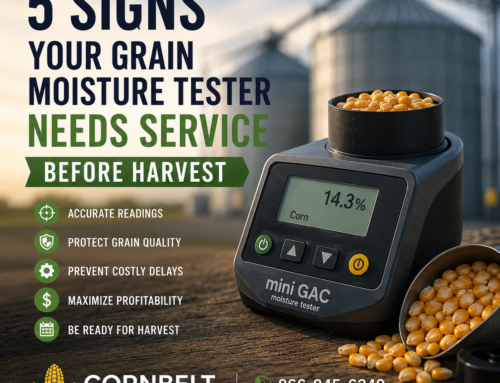


Why Early Season Grain Moisture Tester Maintenance Prevents Harvest Headaches

As planting season wraps up across the Midwest, many farmers begin shifting focus toward equipment preparation and harvest planning. One critical piece of equipment that often gets overlooked until the last minute is the grain moisture tester.
Unfortunately, waiting until harvest to discover inaccurate readings, calibration issues, or equipment failure can lead to costly delays, grain quality concerns, and unnecessary stress during one of the busiest times of the year.
At Cornbelt Testing, Inc., we recommend taking a proactive approach with early season grain moisture tester maintenance to ensure your equipment is ready before harvest pressure begins. Farmers looking for professional grain testing support, calibration, and equipment solutions can explore the full range of services available through the Cornbelt Testing Service & Support Center.
📞 Phone: 866-845-6249
🌐 Website: https://www.cornbelttesting.com/
Why should you maintain your grain moisture tester early in the season?
Early season grain moisture tester maintenance helps farmers and commercial grain operators avoid costly harvest delays, inaccurate moisture readings, and grain quality issues during peak harvest season. Preventative maintenance allows calibration problems, dirty test cells, and worn components to be identified before they impact grain storage, drying decisions, or profitability.
Why Pre-Harvest Grain Moisture Tester Maintenance Matters
Grain moisture testing plays a major role in:
- Grain storage safety
- Drying decisions
- Grain quality
- Dockage prevention
- Market pricing
Even small inaccuracies in moisture readings can impact profitability. If your tester is not functioning properly, you could:
- Overdry grain and increase energy costs
- Store grain with excess moisture
- Experience spoilage or mold issues
- Receive deductions at delivery
By servicing and checking your tester now, you can avoid costly surprises during peak harvest season. Many producers throughout the Midwest rely on the moisture testing equipment and technical expertise available from Cornbelt Testing to help maintain accurate readings throughout the growing and harvest seasons.
Common Problems Caused by Neglected Moisture Testers
Over time, grain moisture testers can develop issues that affect performance and accuracy.
Common Problems Include:
- Dirty or contaminated test cells
- Calibration drift
- Worn internal components
- Sensor inconsistencies
- Damage from dust, heat, or humidity
- Inaccurate readings caused by temperature fluctuations
Many of these issues are difficult to notice until harvest begins and testing volume increases. Scheduling preventative maintenance through the Cornbelt Testing Service Department before harvest season can help identify these issues early and reduce costly downtime later in the year.
Signs Your Grain Moisture Tester May Need Service
If you notice any of the following, it may be time to schedule maintenance:
Warning Signs:
- Inconsistent moisture readings
- Readings that differ from elevator results
- Slow response times
- Visible wear or damage
- Equipment that has not been calibrated recently
- Error messages or startup issues
Preventative maintenance now can help avoid equipment downtime when timing matters most. Commercial facilities and farms preparing for harvest often schedule inspections and calibration services early through Cornbelt Testing’s professional support team to ensure equipment reliability during high-volume harvest activity.
Why Midwest Farmers Benefit from Early Season Preparation
Across Iowa, Nebraska, Minnesota, Illinois, and Wisconsin, weather conditions can change rapidly throughout the growing season. Harvest windows are often tight, making dependable testing equipment even more important.
The Iowa State University Extension Grain Storage Resources provide additional guidance on grain storage management and protecting grain quality throughout changing Midwest weather conditions.
By preparing early, producers can:
- Improve harvest efficiency
- Reduce delays
- Increase confidence in moisture readings
- Protect grain quality during storage
- Minimize financial losses
For commercial facilities and larger farming operations, equipment reliability becomes even more critical during high-volume intake periods.
Grain Moisture Tester Calibration for Midwest Farms
Calibration is one of the most important parts of grain moisture testing accuracy. Even quality equipment can produce inaccurate readings if calibration has drifted over time.
Routine calibration helps ensure:
- Consistent readings
- Accurate moisture percentages
- Better grain marketing decisions
- Improved storage management
Industry organizations like the National Grain and Feed Association (NGFA) continue to emphasize the importance of grain handling accuracy and proper testing standards throughout the agricultural supply chain.
At Cornbelt Testing, we help farmers and commercial operators maintain confidence in their testing equipment through professional service and support. Producers can learn more about available grain moisture testing products and solutions directly on the Cornbelt Testing website.
Frequently Asked Questions About Grain Moisture Tester Maintenance
How often should a grain moisture tester be calibrated?
Most grain moisture testers should be checked and calibrated before each harvest season and periodically during heavy use to maintain accurate moisture readings.
Can inaccurate moisture readings cost farmers money?
Yes. Incorrect moisture readings can lead to overdrying, spoilage, dockage, grain quality issues, and pricing disputes at commercial elevators.
What causes inconsistent grain moisture readings?
Common causes include dirty test cells, temperature differences, outdated calibration, worn internal components, and inconsistent grain samples.
Is preventative maintenance really necessary?
Absolutely. Early maintenance helps identify equipment problems before harvest pressure increases and can extend the lifespan of grain moisture testing equipment.
Why is grain moisture testing important before harvest?
Pre-harvest grain moisture testing preparation helps ensure your equipment is functioning accurately before peak harvest activity begins, reducing downtime and protecting grain quality.
Trust Cornbelt Testing for Reliable Grain Moisture Testing Solutions
Cornbelt Testing, Inc. has helped Midwest farmers and commercial grain operations maintain accurate, dependable moisture testing equipment for years. Whether you need calibration, service, support, or updated testing equipment, the experienced team at Cornbelt Testing is here to help.
📞 Call 866-845-6249 today
🌐 Visit https://www.cornbelttesting.com/ to learn more